
- News and Alerts
- Media Releases
- PrimeSafe streamlines smallgoods licence requirements
PrimeSafe streamlines smallgoods licence requirements
PrimeSafe will streamline smallgoods licence and auditing requirements following a review that found the industry is effectively managing food safety risks, with changes taking effect from 1 January 2026.

PrimeSafe will streamline licence and auditing requirements for Victorian smallgoods manufacturers following a review that found the industry is effectively managing food safety risks.
The review determined that, based on current industry practice, a reduced testing requirement can achieve the same food safety outcomes while reducing regulatory burden on manufacturers.
PrimeSafe Chief Executive Officer Michael Coffey said the changes reflect a risk-based approach to food safety regulation.
“PrimeSafe is dedicated to a risk-based approach to food safety regulation, which minimises risks to consumers without unduly burdening producers and manufacturers with red tape,” Mr Coffey said.
“Our review established that the Victorian smallgoods industry has been effectively managing the risk of foodborne illness, and these changes better align the licensing requirements to the needs of current industry practice.”
The changes will take effect from 1 January 2026 and include reduced testing frequency and sample numbers for Victorian smallgoods manufacturers, simplified application and approval processes, and clearer guidance materials.
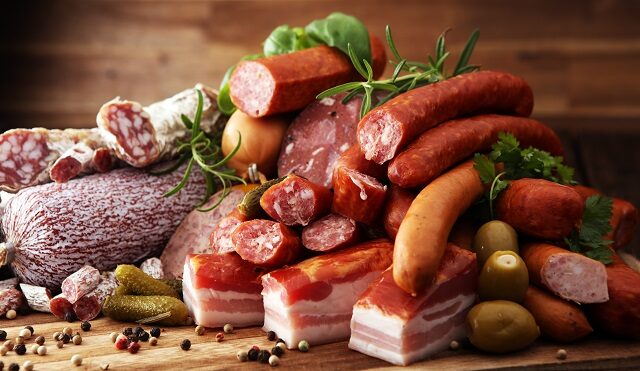
There are nearly 300 smallgoods manufacturers in Victoria producing cooked, dried, cured or otherwise processed meat products, including cooked sausages, salami, ham, sliced vacuum-packed meats, lup chong, jerky, biltong, Strasburg and pâté.
Further information about the changes to PrimeSafe’s smallgoods licensing requirements is available in PrimeSafe’s technical guidance materials.
For media enquiries, contact Tom Bicknell on 0433 840 342 or tom@curriecommunications.com.au